

Why Your Greenville Central AC Blinks Off on 90° Days: High-Pressure Lockouts Explained | Greenville Air Conditioning Repair Guide
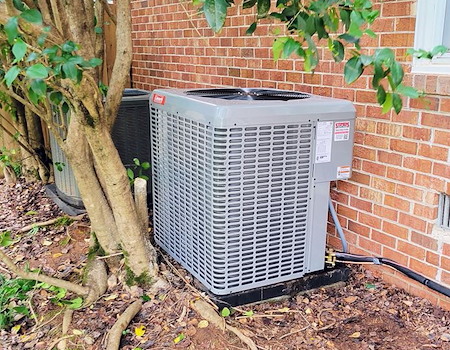
When the thermometer hits the 90s in Greenville and the air feels soupy, many central AC systems shut down for a few minutes, restart, then quit again. That pattern often points to a high-pressure safety lockout, not a failed thermostat. If your home near North Main, Augusta Road, or Mauldin keeps heating up while the outdoor unit stops and starts, scheduling ac repair service with Stephens Heating & Cooling protects your system before real damage builds.
Greenville Air Conditioning Repair: What a High-Pressure Lockout Is
Your AC moves heat from indoors to outdoors. The outdoor coil must dump that heat into the air. When heat cannot escape fast enough, refrigerant pressure in the condenser rises. To protect the compressor, a safety switch opens the circuit until pressure drops. On steamy Upstate afternoons, that cycle can repeat every few minutes.
In our area, two factors push pressures too high: red clay dust caking the outdoor coil and extreme humidity that slows heat release. The coil looks like a radiator. If dust and mower debris fill those thin fins, airflow chokes. Add 70 to 90 percent humidity after a pop-up storm, and the condenser has a tougher job shedding heat. The result is a lockout that looks like random shutoffs.
Red Clay, Humidity, and 90° Heat: The Greenville Combination
From Simpsonville to Greer, red clay particles cling to wet metal. After a storm, the coil can wear a brown film that dries into a crust. Pollen sticks to it in spring. Grass clippings pack into the base. Even if the fan is fine, that layer forces pressure higher than normal.
Humidity matters too. Warm, moist air holds more heat. On those July evenings when the air is thick, the condenser runs at a higher condensing temperature. That pushes head pressure up. If the safety threshold is hit, the switch opens and your system blinks off to save the compressor.
High-Pressure Lockout vs. Electrical Overload: How They Feel Different
Homeowners often think any shutoff is an electrical problem. Here is a simple way to tell these two apart during Greenville’s hottest weeks:
- High-pressure lockout: outdoor fan usually runs before the shutdown, the unit may buzz or feel very hot on top, and it often restarts after a cool-down window. Air from the top grille may feel unusually warm right before it stops.
- Electrical overload or breaker trip: sudden stop with no predictable restart, lights may flicker, and the outdoor unit stays silent until a pro resets the right component after diagnosing the cause.
Do not press hidden reset buttons or pull panels. These parts protect the compressor. Forcing a restart without fixing the cause can overheat windings and shorten compressor life.
Why a Prompt Technical Wash Beats A “Wait and See”
When red clay and pollen seal the coil, pressure soars every time the thermostat calls for cooling. A professional coil cleaning is not a splash from a garden hose. It is a controlled rinse with the right flow, angle, and cleaner so fins are not bent and residue is not pushed deeper. Pair that with a check of condenser fan amperage, contactor health, and a reading of operating pressures, and you stop the lockouts at the source. If your system is short cycling today, schedule emergency ac repair in greenville so a licensed tech can restore safe operation.
Local insight: After a fast afternoon thunderstorm, coils can “sweat,” turning red clay dust into a paste that dries into a heat blanket. That is prime time for high-pressure trips around Greenville and Fountain Inn.
Safety note: Never remove service panels or try to bypass a pressure switch. The switch is doing its job protecting a very expensive compressor.
What to Share When You Call for Service in Greenville, SC
Clear details help your technician solve the problem faster. When you call Stephens Heating & Cooling at 864-862-3104, have these notes ready:
- Time of day the shutoffs happen and outdoor temperature or weather pattern, like “after 4 p.m. when it’s 90° and humid.”
- Whether the outdoor fan was running right before the stop and if the top grille air felt hotter than normal.
- Any recent yard work, nearby construction, or pressure-washing that could blow dust into the unit.
- Filter change history and any musty smells or reduced airflow at vents inside.
Sharing this context speeds diagnosis and cuts down on repeat trips, especially during peak heat waves when schedules fill quickly.
How Stephens Heating & Cooling Diagnoses and Fixes the Root Cause
Our Greenville HVAC team begins with observations you can’t see on a thermostat. We measure condenser pressures and temperatures, confirm the fan is moving the correct volume of air, and evaluate coil cleanliness under the shroud where dust often hides. We also check for crushed fins, obstructed fencing or shrubs, and debris matting the base pan.
If a restriction is the culprit, we perform a careful coil cleaning using the right method for your equipment. If needed, we balance refrigerant charge only after airflow is restored. We verify that line sets are not kinked, that the contactor and capacitor are healthy, and that electrical connections are tight. To help prevent a repeat, we recommend seasonal service timed for Greenville’s spring pollen and mid-summer dust. You can learn about our preventive approach on our seasonal ac maintenance page.
Many homeowners choose Stephens Heating & Cooling because we answer the phone, aim for same-day appointments during heat spikes, and back our repair work with a warranty. That combination keeps families in Overbrook, Sans Souci, and Five Forks comfortable when the humidity soars.
Clues It Is Airflow Restriction, Not a Bad Thermostat
Thermostats rarely cause short high-pressure trips. Airflow problems do. Look for these patterns:
- Outdoor unit very hot to the touch on top, with unusually hot discharge air before a shutdown.
- Visible red clay film or grass clippings around the coil and in the base pan.
- System cools fine in the morning but falters in late afternoon when humidity rises.
Avoid spraying the coil yourself. A home hose can fold delicate fins, drive mud deeper, or push water where it does not belong. A trained tech cleans safely and confirms that pressure returns to normal targets under Greenville’s real-world conditions.
Why Greenville’s Humidity Pushes Systems Over the Edge
The science is simple. The hotter and wetter the outdoor air, the higher the condensing temperature the unit must run to shed heat. With a dirty coil, that target moves even higher. On a 92° day after a storm, the combination can raise head pressure past the limit set by the manufacturer. Your pressure switch opens to keep the compressor safe. That is the “blink off” you notice.
Because Upstate weather swings fast, a unit that cycled fine last week can start tripping today. If you have noticed the pattern more often this summer, it is a strong sign the coil is restricted or the condenser fan is not moving enough air.
Keep Lockouts From Coming Back
You do not need a long checklist to stay ahead of summer shutoffs. Two steps make the biggest difference here:
- Clear space around the outdoor unit so it can breathe and avoid blowing yard debris at it.
- Schedule a professional coil cleaning before peak heat and again after heavy dust or pollen events.
That simple plan, paired with greenville air conditioning repair expertise from Stephens Heating & Cooling, keeps your system operating within safe pressure ranges when July and August bring their worst.
When to Call Right Away
If the system trips repeatedly, if you smell electrical burning, or if the outdoor unit is loudly buzzing without kicking on, stop trying to run it. Continuous short cycling can overheat a compressor. A quick visit now is far cheaper than a major replacement later. During busy stretches, our local team prioritizes lockouts and no-cool calls throughout Greenville, Simpsonville, and Fountain Inn.