

Why South Carolina Summers Demand Higher Efficiency Tankless Water Heaters
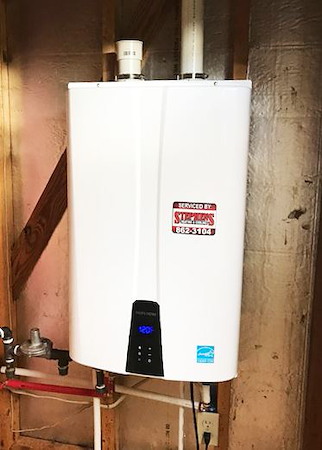
South Carolina summers are hot, long, and humid. Air conditioners run hard, which pushes home energy use to its peak. That is exactly when a traditional tank water heater can waste power keeping 40 to 80 gallons hot all day. Switching to a high-efficiency tankless water heater cuts that standby waste and lines up your hot water use with your actual demand. The result is steady comfort and a leaner energy profile during the toughest months.
How Summer Peaks Strain South Carolina Energy Use
When temperatures climb and humidity sits heavy, cooling systems across the state switch to full-time work. That pushes electricity demand up in the afternoon and early evening. If your home also runs a storage tank that reheats water around the clock, you add to that load even when no one is in the shower. A tankless system fires only when a tap opens, so it avoids reheating a large tank while your air conditioner already carries the biggest job of the day.
Think of it like traffic: on a busy highway you want fewer slowdowns. Tank water heaters cause constant small slowdowns because they cycle to hold temperature. A tankless unit acts more like express lanes. It turns on, delivers hot water, and then gets out of the way.
Why Tankless Water Heater Efficiency Matters In Hot Weather
Storage tanks lose heat through the tank walls and piping. That loss is called standby loss, and it happens 24/7. In summer, every extra watt or therm used to maintain tank temperature raises your total energy bill while your cooling system is already working at its limit. A tankless water heater heats water only when needed. That design naturally reduces waste during the hours your home draws the most power.
Tankless also helps with comfort. Because it does not run on a timer, you can take back-to-back showers, do laundry, and run the dishwasher without waiting for a tank to recover. The right model keeps hot water flowing in real time for your household pattern.
Regional Water Temperatures In South Carolina
Incoming water temperature sets the starting line for any water heater. Across South Carolina, groundwater and main supply temperatures are cooler in winter and warmer by late summer. Coastal areas tend to run slightly warmer than the Upstate, while shaded or deeper lines can be a bit cooler than shallow or sun-exposed routes. By midsummer, incoming water is warm enough that a tankless unit does less work to reach your setpoint, which supports higher efficiency when demand is highest.
In practical terms, most homes in the state see colder inlet water in the cooler months and much warmer inlet water through June, July, and August. That seasonal swing is one reason a well-sized tankless water heater can shine during the heat: it modulates its output to match the smaller temperature rise needed on hot days.
Right-Sizing And Features That Boost Efficiency
Getting the most from a tankless system in South Carolina comes down to fit and features. Size the unit by your peak simultaneous hot water needs, not just the number of bathrooms. Consider these efficiency helpers:
- Size the system correctly: Match gallons-per-minute to your busiest hour so the heater runs in its efficient sweet spot.
- Look for condensing technology: It captures more heat from exhaust to warm water with less fuel.
- High turn-down ratio: A wide modulation range avoids short cycling during light summer use.
- Smart recirculation: Demand-activated or learning pumps cut wait time without wasting energy.
- Sealed combustion and proper venting: Improves safety and keeps combustion steady in humid weather.
If you are not sure which setup fits your home, an in-home assessment by Stephens Heating & Cooling checks flow rates, fixture mix, and layout. Many homeowners find a single whole-home unit hits the sweet spot, while large or spread-out homes may benefit from a second unit serving distant bathrooms.
Quick safety tip: Set your water heater to 120°F for comfort and scald protection. In summer, warm incoming water makes this setpoint easier to maintain without overfiring the unit.
A smart timer or demand-control on a recirculation loop also trims wasted run time when no one is using hot water.
How Tankless Reduces Standby Losses During Peak Months
Think about the daily rhythm in July and August. Mornings bring showers and breakfast. Midday usage drops as people are out. Evenings bounce back with cooking and laundry. A tank system cycles the entire time between those peaks, sipping energy to hold temperature. A tankless water heater stays idle during off-hours and responds only at the tap, which means you are not paying to heat water you never use. That behavior is most valuable in the months when your cooling system already drives your bill.
Homes that host guests in summer or run a short-term rental can also benefit. A properly sized tankless unit handles bursts of demand without the long recovery time that frustrates visitors and strains energy use.
South Carolina Layouts, Water Quality, And Maintenance
South Carolina’s mix of coastal air, sandy soils, and mineral content can influence water quality and scale build-up. Scale acts like a blanket on the heat exchanger, making the unit work harder. A basic sediment screen plus a scale filter helps protect performance.
- Schedule annual maintenance: A pro cleaning and flush keeps efficiency high and protects the heat exchanger.
- Check combustion air and venting: Humid summers can affect airflow if intakes are obstructed.
- Verify recirculation settings: Use demand-based controls or learning modes to avoid constant loops.
Regular care means stable efficiency year-round and fewer surprises when the heat index is at its worst.
What Homeowners Notice After Upgrading
Most families report three big changes after moving to tankless. First, hot water is consistent and seems endless for normal use. Second, the utility bill trims the waste that used to keep a tank warm during long summer afternoons. Third, the unit is smaller and frees space in closets or garages. Those gains are practical and visible, and they add up across the summer.
If your current tank is older, takes a long time to recover, or shows rust around the base, it is a strong sign that an upgrade to a tankless system may be the better long-term move.
How Tankless Supports The Whole Home In Summer
Because a tankless unit runs only when hot water flows, it reduces waste heat around the tank area. That matters in garages and utility closets that already feel warm in July. Less stray heat helps your living spaces stay more comfortable. It also takes a small bit of pressure off your cooling system.
Pairing right-sized hot water with efficient cooling and good indoor air helps balance comfort during long heat waves. If you are working on a bigger home comfort plan, you can coordinate a water heater upgrade with improvements to your cooling and ventilation for a steady, simple path to savings.
Simple Steps To Get The Sizing Right
Before choosing a unit, take a quick inventory of daily habits and fixtures. Note how many showers may run at the same time, whether you launder with warm water, and if your kitchen tap or dishwasher demands high flow. Your installer will translate that into gallons-per-minute targets and a suitable temperature rise for South Carolina’s summer and winter baselines.
Pro tip: Share future plans too. Adding a bathroom or converting a bonus room changes demand. Planning ahead avoids undersizing and keeps your system efficient without overpaying for capacity you will not use.
Ready When You Are
South Carolina homes work hard in summer. Choosing equipment that runs only when you need it is one of the easiest ways to cut waste without giving up comfort. If you want a deeper dive into models and options, start with a short call and a quick look at your fixtures. The Stephens Heating & Cooling team can help you compare features and match a unit to your home’s flow rates and layout.
Explore service details and scheduling on our tankless water heater service page, or talk with our specialists at 864-862-3104. For an overview of who we are and what we do, you can learn more from our South Carolina tankless water heater team at Stephens Heating & Cooling.
Make Summer Comfort Simple
When the heat ramps up, your home should feel steady, cool, and ready for anything. A tankless water heater supports that goal by matching hot water production to your schedule, not the other way around. If you are thinking about a change, we will help you size it right, install it cleanly, and keep it running strong for years.