

Tankless vs. Traditional Water Heaters in Greenville: Upfront Costs, Lifespan & Payback
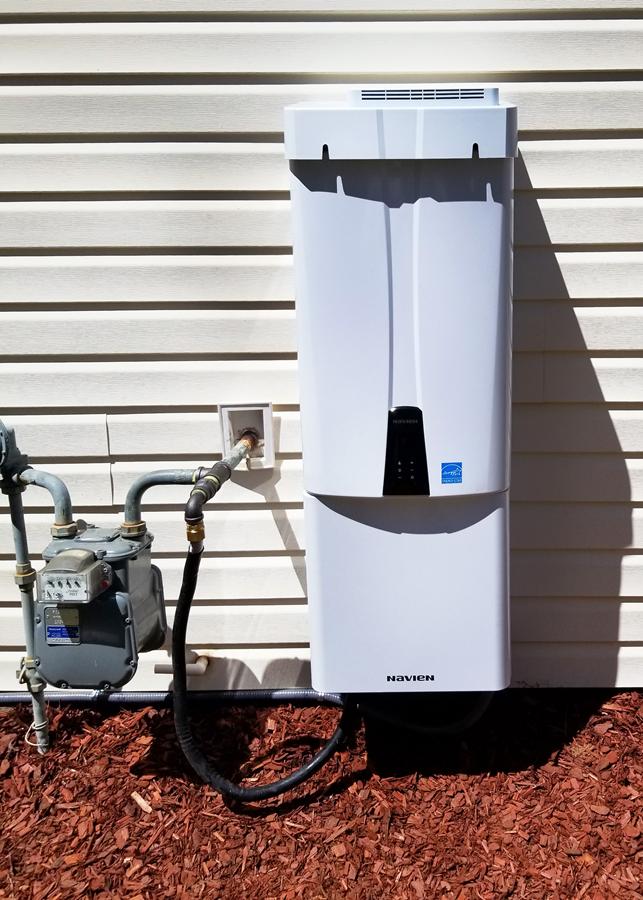
If you’re weighing a tankless upgrade against a conventional tank, you’re not alone. This tankless vs tank water heater Greenville guide breaks down how each type performs in local homes, what affects payback, and how to choose the right fit for your family.
How Each System Heats Water
A traditional tank stores hot water and keeps it ready. It reheats throughout the day, even when you are not using hot water, which can mean standby heat loss.
A tankless unit heats water only when you open a tap. It uses a powerful burner or electric elements to raise water temperature as it flows, so there’s no large storage tank and far less standby loss.
Upfront Investment And Long-Term Value In Greenville
Upfront investment is typically higher for tankless, while tanks often cost less to install. Long-term value depends on how much hot water you use, your home’s gas or electric setup, and how well the unit is maintained.
Lifespan And Reliability
Many tank models last around a decade when maintained. Tankless units are designed for a longer service life, often approaching two decades with proper care and periodic descaling.
Energy Use And Efficiency
Tanks can waste energy keeping water hot all day. Tankless systems avoid that and often reach a higher efficiency rating, which may trim utility use for families who run lots of hot water for laundry, showers, and dishes.
Comfort And Hot Water Delivery
With a tank, very long showers or back-to-back baths can outpace the stored volume until the tank recovers. With tankless, flow rate is the limiter; if several taps run at once and the unit is undersized, you may feel temperature swings or reduced flow.
Sizing For Your Home In Greenville
Right-sizing is the difference between loving tankless and feeling limited. Pros calculate peak gallons-per-minute (GPM) demand and temperature rise to pick the correct model.
- Count simultaneous fixtures you actually use at once, like a shower plus a dishwasher.
- Consider large soaking tubs or multi-head showers that need a higher flow rate.
- Note fuel type and available gas line or electrical capacity so the unit can perform as rated.
If your household often has two showers running while laundry is going, a single larger unit or a paired setup may be discussed. For a smaller home with staggered use, a mid-sized unit can be ideal. You can review options on tankless water heaters and see how the model output aligns with your routine.
Maintenance, Hardness, and Scale Control
Water hardness varies across Greenville County, and mineral content can create scale on heat exchangers. Scale reduces efficiency and can shorten the life of any water heater if left unchecked.
Plan on regular maintenance so your efficiency and warranty stay on track. For tankless, that usually means periodic descaling and filter cleaning. For tanks, a routine flush helps remove sediment and can improve performance. If your home has moderate hardness, your technician may recommend a scale-reduction cartridge or conditioning system to protect the unit and fixtures.
Tankless Vs Tank Water Heater Greenville: What Changes The Payback
Payback is not one-size-fits-all. It depends on your family’s hot water use, equipment efficiency, and the cost of the energy you already have in place.
- Higher daily hot water use often tilts the math toward tankless because it avoids reheating a big tank all day.
- Infrequent use or a home that sits empty for stretches can also favor tankless, since there’s little standby loss.
- If your current gas line or electric service needs upgrades, that affects the installation path and timeline.
Greenville’s mild climate means water heaters don’t face extreme winter conditions, but inlet water still gets cooler in late fall and winter. Sizing for that seasonal swing keeps performance steady and payback realistic.
Installation Considerations For Local Homes
Every house is different. Older bungalows near North Main and Augusta Road might need routing adjustments for venting or condensate. Newer builds in Simpsonville, Greer, Mauldin, and Taylors often have cleaner paths and utility rooms ready for modern vent materials.
Always have a licensed pro assess venting, gas line, or electrical capacity, and combustion air before you commit. That ensures safety, code compliance, and performance. Recirculation loops can be added to reduce wait times at distant fixtures, which is popular in larger homes or long ranch layouts common around Greenville.
Comfort, Convenience, And Space
Tight on space? Tankless units mount on a wall and free up floor area for storage. If you have a busy morning routine with overlapping showers, a correctly sized tankless can feel like a performance upgrade thanks to continuous hot water within its flow rating.
Prefer the familiarity of a tank and want the simplest replacement path? Sticking with a standard tank can make sense, especially if your hot water needs are predictable and modest.
When A Traditional Tank Still Makes Sense
There are good reasons to keep a tank. If your peak demand is low, your schedule is predictable, and you want the most straightforward replacement, a tank can fit the bill. It’s also a practical option when utility upgrades are not in the plan.
On the flip side, if showers stack up, laundry runs daily, and you dislike running out of hot water, a properly sized tankless becomes very attractive.
How To Choose With Confidence
Start with your real usage. List how many fixtures run at once, note any large tub fills, and think about morning or evening overlap. Then consider maintenance preferences and long-term ownership. If you’ll keep the home for many years, the longer service life of tankless can be a strong tie-breaker.
Need guidance from a trusted neighborly team? Our HVAC pros help local homeowners map the right path based on home size, utility setup, and hot water habits.
Avoiding Common Pitfalls In Greenville Homes
Two mistakes cause most disappointments: undersizing and skipping maintenance. Work with a technician who measures real flow needs, not just square footage. Protect the system from scale according to the water quality in your area, and schedule routine service to keep performance consistent year-round.
Don’t ignore subtle warning signs like reduced flow or temperature swings. They often point to a simple fix, like a screen cleaning or descaling, that restores comfort fast.